Police misconduct cases are not ordinary injury claims. They usually involve abuse of power, violation of civil rights, and actions taken by people who are supposed to protect the public. For victims, these cases are rarely about money alone. They are about accountability, acknowledgment of wrongdoing, and preventing the same harm from happening to someone else. Still, once a civil lawsuit is filed, a practical question arises: what do police misconduct cases actually settle for?
There is no single average settlement that applies to every case. Outcomes vary widely based on the type of misconduct, the harm caused, the strength of evidence, and whether a city or county is willing to fight the case in court. However, real-world cases in the United States tend to fall into identifiable ranges. This article explains the average settlement amounts for police misconduct lawsuits, what influences those numbers, and what victims can realistically expect.
Typical Police Misconduct Settlement Ranges
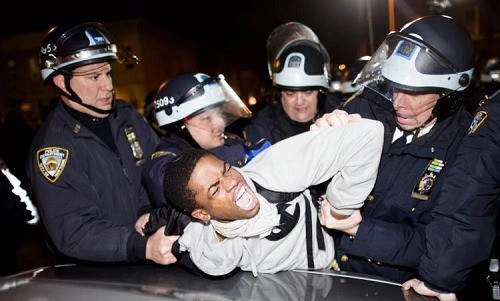
In the U.S., most police misconduct settlements fall between $50,000 and $500,000, though serious cases can go much higher.
Common settlement ranges include:
- Minor civil rights violations with no physical injury: $25,000 – $75,000
- Excessive force causing injury: $75,000 – $300,000
- Wrongful arrest or false imprisonment: $50,000 – $250,000
- Severe injury, wrongful shooting, or death: $500,000 – $5 million+
These figures represent settlements, not jury verdicts. Verdicts can exceed these amounts but also carry significant risk.
Types of Police Misconduct That Lead to Lawsuits
Police misconduct lawsuits usually fall under federal civil rights laws and may involve:
- Excessive force
- False arrest or unlawful detention
- Illegal searches or seizures
- Racial profiling
- Fabrication of evidence
- Failure to provide medical care
- Wrongful death
The more serious the misconduct and the clearer the violation, the higher the settlement potential.
Why Some Police Misconduct Settlements Are High
Settlements rise quickly when misconduct causes serious harm or public outrage. Cities and counties often prefer to settle rather than risk a jury trial that could result in massive verdicts and national attention.
High-value cases usually involve:
- Permanent injury or disability
- Death or near-death force
- Video evidence (body cam or bystander footage)
- Clear policy violations
- Prior complaints against the same officer
- Evidence of cover-ups or false reports
When misconduct is undeniable, governments often settle to limit exposure.
What Keeps Some Settlements Lower
Not all claims lead to large payouts. Lower settlements often involve:
- No physical injury
- Short-term detention or harassment
- Conflicting witness accounts
- Lack of video evidence
- Qualified immunity defenses
If damages are limited and proof is weak, settlements may stay under $100,000 even if misconduct occurred.
Who Pays the Settlement Matters
In most police misconduct cases, the individual officer does not personally pay the settlement. Instead:
- Cities, counties, or police departments pay
- Public insurance pools or municipal funds cover damages
Because public entities are paying, settlement negotiations are influenced by budget concerns, political pressure, and public perception.
Settlement vs. Trial in Police Misconduct Cases
Most police misconduct lawsuits settle before trial. Trials are expensive, emotionally draining, and unpredictable. Juries can be sympathetic to victims, but they can also defer to law enforcement.
Settlements offer:
- Faster compensation
- Guaranteed outcome
- Reduced emotional stress
- Avoidance of years of litigation
Trials may result in higher awards, but they also carry the risk of losing entirely.
Deadlines and Procedure Matter
Police misconduct cases have strict deadlines and procedural rules. Some claims require early notices to government entities. Missing a deadline can weaken a case or eliminate it altogether, which also reduces settlement leverage.
Early legal action often results in stronger evidence, better negotiation power, and higher settlements.
Final Takeaway
There is no single average settlement for police misconduct cases, but in real-world terms:
- Minor violations often settle between $25k and $75k
- Injury-related misconduct commonly falls between $100k and $300k
- Severe injury or death cases often exceed $500k and may reach millions
Settlement value depends on the severity of harm, clarity of evidence, public entity risk, and legal strategy—not just the misconduct itself. Strong proof and serious consequences drive higher outcomes.