Losing a limb is one of the most devastating injuries a person can suffer. It does not just change how someone works or moves—it changes how they live, think, and see the future. Everyday tasks become harder, independence may be reduced, and the emotional impact can be overwhelming. Medical care is long-term, expensive, and often lifelong. Because of this, people facing amputation-related injuries understandably ask a direct and serious question: what is the average settlement for loss of limb?
However, in the United States, amputation injury claims are among the highest-valued personal injury cases. Real-world settlements tend to fall into clear ranges based on which limb was lost, how the injury occurred, the person’s age and occupation, long-term medical needs, and available insurance. This article explains the average settlement for loss of limb, how compensation is calculated, and what factors most strongly affect the final amount.
Typical Settlement Ranges for Loss of Limb
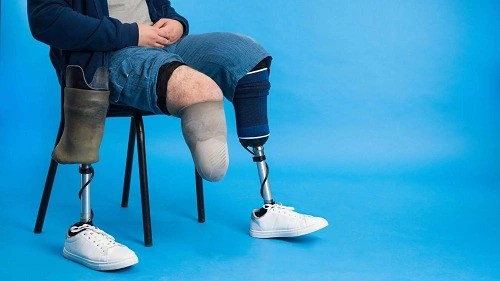
In the U.S., most loss-of-limb settlements range from $500,000 to $5 million, with some cases settling for significantly more.
Common settlement ranges include:
- Partial finger or toe amputation: $50,000 – $250,000
- Loss of a hand or foot: $250,000 – $1 million
- Loss of an arm or leg below the knee/elbow: $750,000 – $3 million
- Loss of an arm or leg above the knee/elbow: $1.5 million – $5 million+
- Multiple limb amputations or catastrophic cases: $5 million – $20 million+
These figures reflect settlements, not jury verdicts. Verdicts can be much higher, but settlements are far more common due to the risks and time involved in trials.
Why Loss of Limb Settlements Are So High
Amputation injuries permanently alter a person’s life. Courts and insurance companies recognize that this is not a short-term injury—it is a lifelong condition.
Settlements are higher because they account for:
- Permanent disability
- Loss of independence
- Lifelong medical care and prosthetics
- Ongoing physical pain
- Psychological trauma
- Reduced earning capacity
- Shortened work life
Unlike many injuries, a lost limb cannot be fully “fixed.” Compensation reflects that reality.
Medical Costs and Lifelong Care
Medical expenses in loss-of-limb cases are enormous and ongoing.
Settlements often include compensation for:
- Emergency care and surgeries
- Hospital stays and rehabilitation
- Prosthetic limbs (often replaced every few years)
- Physical and occupational therapy
- Pain management
- Home or vehicle modifications
- Future surgeries and medical complications
Prosthetics alone can cost tens or hundreds of thousands of dollars over a lifetime. These future costs are a major driver of settlement value.
Impact on Work and Earning Capacity
Loss of limb often prevents a person from returning to their prior job—especially in physically demanding roles such as construction, transportation, healthcare, or manufacturing.
Settlements account for:
- Lost wages during recovery
- Reduced ability to earn in the future
- Forced career changes
- Early retirement or permanent unemployment
Younger victims typically receive higher settlements because the financial impact lasts decades.
Pain, Suffering, and Emotional Trauma
Amputation causes both physical pain and deep emotional harm.
Compensation often includes damages for:
- Chronic pain or phantom limb pain
- Depression and anxiety
- PTSD
- Loss of enjoyment of life
- Body image and identity issues
- Strain on family relationships
When emotional harm is supported by medical or therapy records, settlement values increase substantially.
Type of Accident Matters
Loss-of-limb settlements vary depending on how the injury occurred.
Higher settlements are common in cases involving:
- Truck or commercial vehicle accidents
- Industrial or workplace accidents
- Defective machinery or products
- Medical malpractice
- Train or heavy equipment accidents
Cases involving corporate defendants or multiple liable parties often result in higher settlements due to larger insurance coverage.
Liability and Insurance Coverage
Even when damages are enormous, settlement amounts are often influenced by available insurance.
Key factors include:
- Commercial liability insurance limits
- Umbrella or excess coverage
- Employer or manufacturer responsibility
- Multiple defendants sharing liability
Cases involving large companies or commercial insurers tend to settle higher than those involving individuals with limited coverage.
Why Some Loss of Limb Settlements Are Lower
Not every amputation case results in a multi-million-dollar settlement.
Lower settlements may occur when:
- The amputation is partial or involves fingers/toes only
- The injured person can return to similar work
- Medical complications are limited
- Liability is disputed
- Insurance coverage is low
Even in lower-value cases, settlements still tend to be substantial compared to other injury types.
Settlement vs. Trial in Amputation Cases
Most loss-of-limb cases settle before trial. Trials are risky and emotionally exhausting, especially for catastrophic injury victims.
Settlements offer:
- Faster financial security
- Guaranteed compensation
- Reduced emotional stress
- Privacy
Trials can produce very large verdicts, but they also involve uncertainty and long delays.
Evidence That Increases Settlement Value
Strong evidence is critical in loss-of-limb cases.
This includes:
- Medical records and surgical reports
- Expert testimony on future care needs
- Life-care plans estimating lifetime costs
- Employment and income documentation
- Psychological evaluations
- Accident reconstruction or safety reports
Well-documented future needs often make the difference between a moderate and a high settlement.
Final Takeaway
There is no single average settlement for loss of limb, but real-world outcomes in the U.S. follow clear patterns:
- Partial amputations often settle between $50k and $250k
- Single major limb loss commonly falls between $750k and $3M
- Above-the-knee or above-the-elbow amputations often exceed $1.5M
- Multiple limb or catastrophic cases can reach $5M to $20M+
The true value of a loss-of-limb settlement depends on the type of amputation, long-term medical needs, impact on earning capacity, emotional harm, defendant liability, and available insurance—not online averages alone. In amputation cases, careful documentation, expert support, and long-term planning are essential to securing fair and life-sustaining compensation.