North Carolina has earned a strong reputation for legal education by combining nationally recognized universities with a rapidly growing legal market. The state’s law schools benefit from close ties to major law firms, federal and state courts, financial institutions, healthcare organizations, and Research Triangle Park, creating excellent opportunities for internships, judicial clerkships, and long-term career growth. Whether students plan to pursue corporate law, litigation, public service, or legal research, North Carolina offers several institutions that consistently produce highly successful graduates.
For 2026, the following five law schools stand out as the best in North Carolina based on academic reputation, faculty excellence, graduate employment outcomes, bar passage rates, employer recognition, clinical education, and overall influence in legal education. North Carolina is home to three nationally ranked law schools, reflecting the state’s growing importance in the U.S. legal education landscape.
1. Duke University School of Law
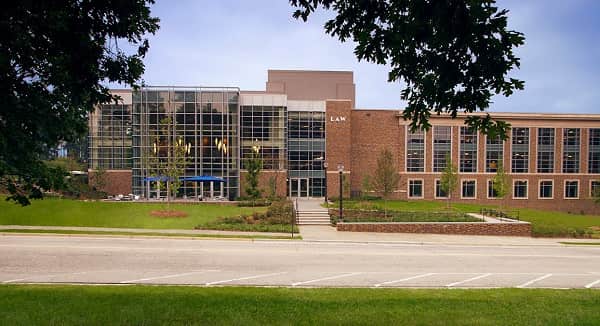
- Location: Durham, North Carolina
Duke University School of Law ranks first because it is one of the nation’s elite law schools, consistently placing graduates at top law firms, federal judicial clerkships, multinational corporations, and government agencies. Its distinguished faculty, rigorous curriculum, and global reputation make it the premier law school in North Carolina.
The school is particularly renowned for business law, constitutional law, international law, environmental law, and interdisciplinary legal education. Its location in Durham’s Research Triangle also provides students with outstanding opportunities in technology, healthcare, and corporate legal practice.
2. University of North Carolina School of Law
- Location: Chapel Hill, North Carolina
The University of North Carolina School of Law secures the second position because of its exceptional academic reputation, affordable tuition for in-state students, and outstanding employment outcomes. It consistently ranks among the top public law schools in the United States and has a long history of producing judges, lawmakers, and respected legal professionals.
UNC excels in constitutional law, public interest law, business law, and healthcare law while maintaining strong relationships with employers throughout North Carolina and beyond. Its graduates regularly secure positions in leading law firms, government offices, and judicial clerkships.
3. Wake Forest University School of Law
- Location: Winston-Salem, North Carolina
Wake Forest University School of Law ranks third because of its strong emphasis on practical legal training, personalized education, and impressive graduate employment rates. Small class sizes allow students to work closely with experienced faculty while developing practical skills through clinics and externships.
The school has earned a particularly strong reputation in business law, health law, litigation, and advocacy. Its graduates are well represented in law firms, corporations, and judicial offices throughout the Southeast.
4. Campbell University Norman Adrian Wiggins School of Law
- Location: Raleigh, North Carolina
Campbell Law earns the fourth position because of its outstanding trial advocacy program and consistently strong bar examination performance. Located in North Carolina’s capital city, the school gives students direct access to state courts, government agencies, and numerous legal employers.
Its practical curriculum emphasizes courtroom advocacy, legal writing, and professional ethics, helping graduates transition smoothly into legal practice. Campbell has built a strong reputation among employers across North Carolina for producing practice-ready attorneys.
5. North Carolina Central University School of Law
- Location: Durham, North Carolina
North Carolina Central University School of Law completes the top five because of its commitment to public service, affordable legal education, and diverse learning environment. The school has established strengths in civil rights law, criminal law, public interest law, and trial advocacy.
Students benefit from extensive clinical education and strong community partnerships that provide valuable real-world legal experience. Its graduates continue to build successful careers in government, public defense, prosecution, private practice, and nonprofit organizations.
Factors Considered for This Ranking
The rankings are based on several important factors, including:
- Academic reputation
- Faculty excellence and research impact
- Graduate employment outcomes
- Bar examination performance
- Judicial clerkship placements
- Employer recognition
- Alumni network and career opportunities
- Clinical and experiential learning
- Overall influence in legal education
Conclusion
North Carolina offers an excellent mix of nationally ranked law schools and strong regional institutions. Duke and UNC lead with national prestige and exceptional career outcomes, while Wake Forest, Campbell, and North Carolina Central provide high-quality legal education with excellent opportunities for students pursuing successful careers in law.