Yes — stop and frisk can be legal in NYC, but only under strict legal limits. Police cannot stop someone just because they look suspicious, are standing in a high-crime area, belong to a certain race, or are walking in a certain neighborhood.
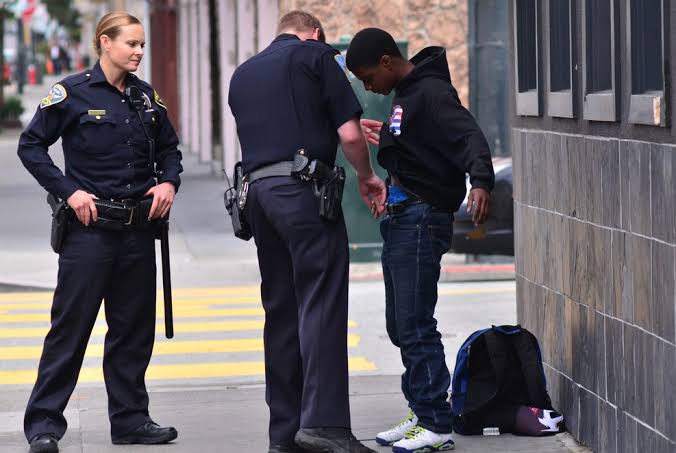
The Basic Rule in New York
New York Criminal Procedure Law § 140.50 allows a police officer to stop a person in a public place when the officer reasonably suspects that the person is committing, has committed, or is about to commit a felony or a Penal Law misdemeanor. The officer may ask the person’s name, address, and an explanation of conduct.
This is not the same as an arrest. It is a temporary detention, but the officer still needs a real legal reason.
What Does “Stop” Mean?
A stop happens when an officer temporarily detains you and you are not free to leave. NYC’s Civilian Complaint Review Board explains that a stop requires reasonable suspicion that you are committing, have committed, or are about to commit a crime.
Reasonable suspicion must be based on specific facts, not just a feeling.
Examples may include matching a detailed suspect description, being seen with a weapon, or conduct clearly connected to a reported crime. But simply being nervous, being in a certain area, or refusing to talk is not enough by itself.
What Does “Frisk” Mean?
A frisk is different from a stop. A stop does not automatically allow a frisk.
Under New York law, after stopping someone, an officer may search the person for a weapon only if the officer reasonably suspects that the officer is in danger of physical injury.
The CCRB also explains that during a stop, an officer may frisk outer clothing only if the officer reasonably believes the person has a weapon.
So the rule is:
Stop = reasonable suspicion of a crime.
Frisk = additional reasonable suspicion that the person is armed or dangerous.
Can Police Search Your Pockets?
A frisk is usually a pat-down of outer clothing for weapons. A deeper search is more serious.
The CCRB says putting hands inside pockets or clothing, looking inside a bag, searching a car compartment, or entering a home is considered a search. A search usually requires stronger legal grounds, such as probable cause, a warrant, consent, or emergency circumstances.
So police cannot automatically empty your pockets just because they stopped you.
Was Stop-and-Frisk Found Unconstitutional in NYC?
The idea of a limited stop-and-frisk is not unconstitutional by itself. But NYC’s old large-scale stop-and-frisk practices were found unconstitutional.
In 2013, a federal judge ruled that the NYPD’s stop-and-frisk practices violated New Yorkers’ Fourth and Fourteenth Amendment rights and ordered major reforms, including appointment of a federal monitor.
This means NYC police can still make lawful stops, but they cannot run a broad, discriminatory, or unsupported stop-and-frisk program.
Can Police Stop You Only for Refusing to Answer?
Refusing to answer questions does not automatically create reasonable suspicion. In many encounters, you can ask, “Am I free to leave?” The NYC CCRB says in lower-level encounters, you are free to leave, and if unsure, you may ask whether you are free to go.
The NYPD Monitor also says people may exercise the right to remain silent by saying they are not going to answer questions.
However, do not physically resist a search or stop. If you believe the stop was illegal, it is safer to stay calm, remember details, and challenge it later.
Can You Refuse a Search?
Yes, in many situations you can say: “I do not consent to a search.”
The NYPD Monitor explains that if an officer asks for consent to search, you can refuse consent. But if police search anyway, you should not physically stop them, because that can lead to arrest.
Refusing consent does not mean police will always stop. It simply protects your legal position later.
Final Answer
Stop-and-frisk is legal in NYC only when police follow strict rules. An officer needs reasonable suspicion of a crime to stop someone. To frisk the person, the officer needs an additional reason to believe the person is armed or dangerous.
Random, discriminatory, or unsupported stop-and-frisk is not legal. NYC’s old stop-and-frisk practices were ruled unconstitutional, and the city remains under reform and monitoring.
The safest legal answer is: stop-and-frisk is allowed only in limited situations, not as a blanket police power.
Frequently Asked Questions
Q1. Is stop-and-frisk legal in NYC?
Yes, but only when police have reasonable suspicion for the stop and a separate safety reason for the frisk.
Q2. Can police stop anyone they want?
No. Police need specific facts creating reasonable suspicion of a crime.
Q3. Can police frisk everyone they stop?
No. A frisk requires reason to believe the person may be armed or dangerous.
Q4. Can police search my pockets during a frisk?
Not automatically. A frisk is usually a pat-down for weapons. Going into pockets is more legally restricted.
Q5. Can I ask if I am free to leave?
Yes. You can ask, “Am I free to leave?”
Q6. Can I refuse a search?
Yes. You can say, “I do not consent to a search.” Do not physically resist if officers proceed anyway.
Q7. Was NYC stop-and-frisk ruled unconstitutional?
NYC’s old stop-and-frisk practices were ruled unconstitutional in 2013 because they violated civil rights, but lawful limited stops and frisks are still allowed.
Q8. What is the safest answer?
Stop-and-frisk is legal in NYC only when based on reasonable suspicion and handled within constitutional limits. Random or discriminatory stop-and-frisk is illegal.