Philadelphia is one of the country’s oldest and most important legal centers. The city offers opportunities in corporate law, healthcare, pharmaceuticals, intellectual property, higher education, government and public-interest advocacy. Students can gain experience with federal and state courts, major law firms, corporate legal departments and numerous nonprofit organizations.
Philadelphia proper has three ABA-approved law schools: Penn Carey Law, Temple Law and Drexel Kline Law. To complete this list, Villanova Law and the Camden campus of Rutgers Law have been included as Greater Philadelphia options. Both are closely connected to the Philadelphia legal market but are located outside the city limits.
1. University of Pennsylvania Carey Law School
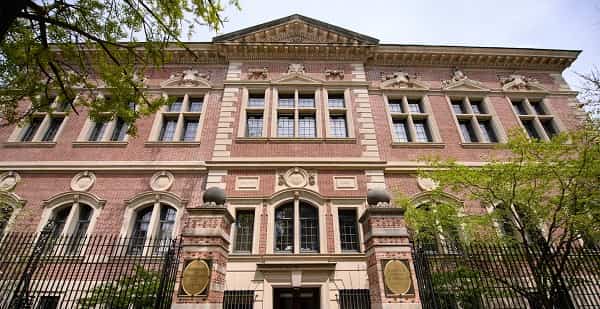
- Location: Philadelphia, Pennsylvania
- Accreditation: American Bar Association
The University of Pennsylvania Carey Law School provides an internationally recognized legal education supported by the wider resources of the University of Pennsylvania. Its selective admissions, accomplished faculty and influential alumni network create opportunities in major law firms, judicial clerkships, government, academia and public-interest organizations.
Penn Carey Law encourages interdisciplinary study. Students can take approved courses or pursue joint programs with schools such as Wharton, Penn Medicine and the university’s departments of engineering, education and social policy. Important areas of study include corporate law, intellectual property, constitutional law, technology, health law and international law.
The Gittis Legal Clinics function as the school’s teaching law firm. Clinical opportunities include entrepreneurship, intellectual property and technology, child advocacy, legislative work, mediation, civil practice and transnational law. These programs allow students to represent clients and address complex legal and policy problems under faculty supervision.
2. Temple University James E. Beasley School of Law
- Location: Philadelphia, Pennsylvania
- Accreditation: American Bar Association
Temple Law offers a respected public legal education with deep connections throughout Philadelphia and Pennsylvania. Its comparatively broad admissions profile, extensive alumni network and practical curriculum make it attractive to students planning careers in litigation, government, public service or regional private practice.
The school is particularly recognized for trial advocacy. Temple’s Integrated Trial Advocacy Program combines evidence, civil procedure and intensive courtroom training. Small performance sections allow students to practice witness examinations, depositions, motions, mediation and complete trials.
Temple also offers an Integrated Transactional Program and numerous clinics, practicums and externships. Students can work on appellate litigation, immigration, community development, tax, business and public-interest matters. The school’s Philadelphia location provides direct access to courts, law firms, government offices and legal-service organizations.
3. Villanova University Charles Widger School of Law
- Location: Villanova, Pennsylvania
- Greater Philadelphia option – approximately 12 miles west of the city
- Accreditation: American Bar Association
Villanova Law combines a strong regional reputation with access to Philadelphia’s legal and business communities. The school follows Villanova University’s Augustinian tradition, emphasizing ethics, professional responsibility, service and close interaction between students and faculty.
The curriculum offers opportunities in business law, taxation, intellectual property, litigation, healthcare and sports law. Villanova’s business and tax resources can be particularly valuable for students interested in corporate transactions, financial regulation or private-client practice.
Students can gain practical experience through clinics involving civil advocacy, criminal justice, disability rights, immigration, international human rights, community economic development and federal income tax. Villanova’s location on Philadelphia’s Main Line also gives students convenient access to regional law firms, companies, courts and nonprofit organizations.
4. Drexel University Thomas R. Kline School of Law
- Location: Philadelphia, Pennsylvania
- Accreditation: American Bar Association
Drexel Kline School of Law is known for combining classroom instruction with extensive professional experience. Its University City location places students near courts, major healthcare institutions, universities, technology companies and Philadelphia’s established legal community.
Academic opportunities include business and entrepreneurship, healthcare law, intellectual property, criminal law, cybersecurity, litigation and public-interest practice. Students interested in advocacy can also participate in trial competitions, moot court and litigation-focused courses.
A defining feature of Drexel Kline is its law co-op program. Students can complete substantial placements with law firms, courts, companies, government agencies and nonprofit organizations for academic credit. The school also operates clinics in community lawyering, entrepreneurship, federal appeals, child advocacy, civil litigation, criminal defense and re-entry law.
5. Rutgers Law School – Camden Campus
- Location: Camden, New Jersey
- Greater Philadelphia option – directly across the Delaware River
- Accreditation: American Bar Association
Rutgers Law’s Camden campus is not located within Pennsylvania, but it is closely integrated with the Greater Philadelphia legal market. Students can pursue professional opportunities in both New Jersey and Philadelphia while benefiting from the resources of a major public university.
The school offers academic and experiential opportunities in constitutional law, criminal justice, intellectual property, business law, health law, public interest and social justice. Rutgers also provides a hybrid part-time J.D. option that may be useful for working professionals and students with family responsibilities.
Rutgers operates an extensive clinical program across its Camden and Newark campuses. Camden opportunities include constitutional rights, criminal and youth justice, domestic violence, economic justice, public benefits, education, health law and transactional community work. Students should examine the licensing requirements for both Pennsylvania and New Jersey if they plan to practise across state lines.
Factors Considered for This Selection
The institutions were evaluated using the following considerations:
- ABA accreditation and availability of a recognized J.D. program
- Academic reputation and quality of legal instruction
- Access to the Philadelphia legal market
- Clinics, externships, co-ops and other practical experiences
- Strength in litigation, business, healthcare and public-interest law
- Connections with courts, law firms, companies and government agencies
- Alumni networks and geographic career reach
- Tuition, scholarships and total cost of attendance
- Bar preparation and publicly reported graduate outcomes
Conclusion
Penn Carey Law offers the strongest national and international reputation in the Philadelphia area, together with exceptional interdisciplinary opportunities. Temple Law is particularly attractive for trial advocacy, public service and students seeking strong connections throughout Pennsylvania.
Villanova provides a respected regional education with notable business, tax and sports-law resources. Drexel distinguishes itself through its intensive co-op model, while Rutgers–Camden combines public-school valu