No — prostitution is not legal in New York. State law still treats prostitution as a criminal offense when a person engages, agrees, or offers to engage in sexual conduct with another person in return for a fee. Under New York Penal Law § 230.00, prostitution is a class B misdemeanor.
However, New York’s laws have changed in important ways. The state has repealed the old “loitering for prostitution” law, added protections for trafficking victims, and created limited immunity in certain situations where a person reports a crime or seeks medical help. So, prostitution is illegal, but New York has reduced some older enforcement tools and added more protections for vulnerable people.
Here’s everything you need to know.
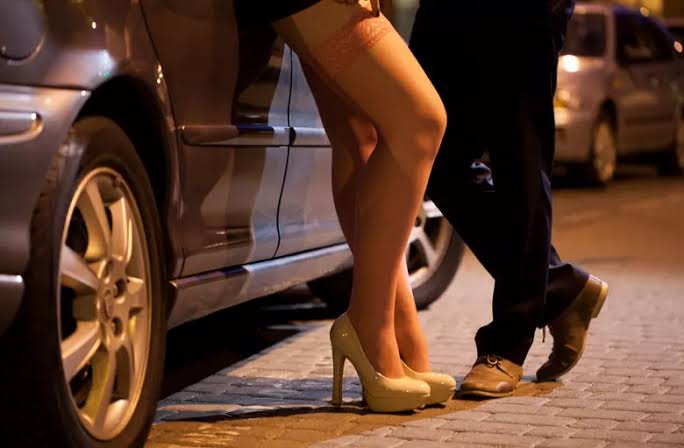
The Basic Rule in New York
Prostitution is illegal across New York State. A person can be charged if they engage in, agree to engage in, or offer to engage in sexual conduct in exchange for money or a fee.
This applies in New York City, Buffalo, Albany, Rochester, Syracuse, and every other part of the state. New York City may have different enforcement priorities in some areas, but city policy does not erase state criminal law.
Is Buying Sex Legal in New York?
No. Buying sex is also illegal. New York calls this “patronizing a person for prostitution.” Under Penal Law § 230.04, patronizing a person for prostitution in the third degree is a class A misdemeanor.
This means both sides of a paid sexual transaction can face legal problems: the person selling sex and the person paying for sex.
What About Minors?
Cases involving minors are treated much more seriously. If an adult patronizes a person for prostitution and that person is under 15, the offense can become a class E felony under New York law.
New York also has separate laws for sex trafficking of a child. A person aged 21 or older who intentionally advances or profits from prostitution involving a child under 18 can face a class B felony charge.
Is Prostitution Near a School Treated Differently?
Yes. New York has a separate offense called prostitution in a school zone. A person aged 19 or older can be charged if they commit prostitution while school is in session, in or near a school zone, and within direct view of children attending the school.
Prostitution in a school zone is a class A misdemeanor.
Is Pimping or Promoting Prostitution Legal?
No. Promoting prostitution is illegal in New York. Article 230 of the New York Penal Law includes several offenses related to promoting prostitution, compelling prostitution, sex trafficking, permitting prostitution, and profiting from prostitution.
These offenses can be much more serious than a basic prostitution charge, especially where coercion, minors, trafficking, force, fraud, or profit from another person’s prostitution is involved.
What Is Sex Trafficking Under New York Law?
Sex trafficking is a serious felony in New York. A person can be guilty of sex trafficking if they intentionally advance or profit from prostitution through conduct such as using drugs to impair someone’s judgment, making false statements, taking identification documents, forcing debt repayment through prostitution, using threats, or using fear to keep someone in prostitution. Sex trafficking is a class B felony.
This is important because prostitution and trafficking are not the same thing, but they can overlap when force, fraud, coercion, abuse, or exploitation is involved.
Was the “Walking While Trans” Law Repealed?
Yes. New York repealed Penal Law § 240.37, the old law against “loitering for the purpose of engaging in a prostitution offense.” That law was often criticized for arbitrary and discriminatory enforcement. The 2021 repeal also made technical changes and provided sealing of prior convictions under that repealed loitering law.
But this repeal did not legalize prostitution itself. It only removed the loitering offense.
Are Trafficking Victims Protected?
Yes, New York gives certain protections to people whose involvement in prostitution was connected to trafficking or coercion. Under Penal Law § 230.01, it is an affirmative defense in certain prostitution-related prosecutions if the defendant’s participation was the result of being a victim of compelling prostitution, sex trafficking, sex trafficking of a child, or trafficking in persons.
New York has also considered and updated laws around vacating convictions for offenses connected to trafficking. A 2025-2026 Senate bill focuses on confidentiality and relief in proceedings to vacate convictions resulting from sex trafficking, labor trafficking, and compelling prostitution.
Is There Immunity for Reporting a Crime?
Yes, in limited situations. New York Penal Law § 230.45 says a person who is a victim or witness to a crime may receive limited immunity from prosecution for prostitution or prostitution in a school zone if the act happened close in time to the crime and the person reports the crime, seeks necessary healthcare, or assists in an investigation in good faith.
This rule is meant to reduce fear of reporting violence, abuse, or exploitation.
Has New York Decriminalized Sex Work?
No, not fully. Some lawmakers have proposed decriminalizing certain prostitution offenses involving consenting adults, but those proposals have not made prostitution generally legal in New York.
For example, “Cecilia’s Act for Rights in the Sex Trades” has been introduced to decriminalize certain prostitution offenses while keeping laws related to minors and trafficking. But it is a bill proposal, not the current general law.
Final Answer
Prostitution is not legal in New York. Selling sex for a fee is a criminal offense, and buying sex is also illegal. Promoting prostitution, compelling prostitution, sex trafficking, and child-related prostitution offenses carry even more serious penalties.
At the same time, New York has repealed the old loitering-for-prostitution law and added protections for trafficking victims and people who report crimes or seek medical help. So New York has moved toward more victim protection, but prostitution itself remains illegal.
Frequently Asked Questions
Q1. Is prostitution legal in New York?
No. Prostitution is illegal in New York and is treated as a class B misdemeanor under state law.
Q2. Is buying sex legal in New York?
No. Paying for sex is illegal and is called patronizing a person for prostitution.
Q3. Is prostitution legal in New York City?
No. New York City is still under New York State law, and prostitution remains illegal.
Q4. Did New York decriminalize prostitution?
No. New York repealed the old loitering-for-prostitution law, but it did not fully decriminalize prostitution.
Q5. What was the “Walking While Trans” law?
It was the old loitering-for-prostitution law that critics said was used unfairly against transgender women and women of color. New York repealed it in 2021.
Q6. Is being an escort legal in New York?
Escort services can be legal only if they do not involve paid sexual conduct. If money is exchanged for sexual conduct, it can become prostitution under New York law.
Q7. Is running a brothel legal in New York?
No. Running, promoting, profiting from, or permitting prostitution can lead to separate criminal charges.
Q8. Is sex trafficking illegal in New York?
Yes. Sex trafficking is a serious felony in New York.
Q9. Are minors ever allowed in prostitution cases?
No. Any prostitution-related case involving a minor is treated very seriously, and child sex trafficking laws can apply.
Q10. Can a trafficking victim be charged with prostitution?
A trafficking victim may still be arrested or charged in some situations, but New York law provides defenses, protections, and possible record relief depending on the facts.
Q11. Is prostitution in a school zone a separate crime?
Yes. Prostitution in a school zone is a separate class A misdemeanor.
Q12. What is the safest legal answer?
Prostitution is illegal in New York. Buying sex, selling sex, promoting prostitution, and trafficking-related activity can all create criminal liability.