If you were hit by a drunk driver, the experience is often sudden, violent, and life-changing. Beyond physical injuries, victims deal with fear, anger, medical bills, and long-term disruption. However, drunk driving cases are treated more seriously than ordinary car accidents, both by insurance companies and courts. Because driving under the influence is illegal and reckless, settlements are often higher than standard auto accident claims. These cases follow clear patterns that allow realistic expectations.
This article explains the average settlement when hit by a drunk driver, what affects the payout, how these cases are valued, and why DUI-related crashes often result in higher compensation.
Average Settlement Ranges for Drunk Driver Accidents
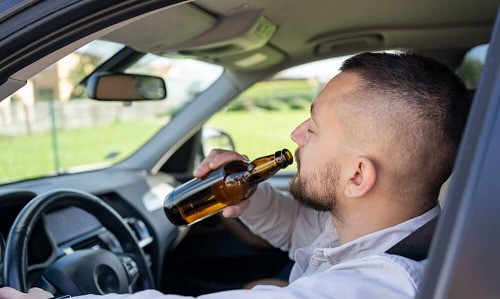
In the United States, most settlements for being hit by a drunk driver range between $50,000 and $500,000, but serious cases can go much higher.
Typical ranges include:
- Minor injuries with short recovery: $25,000 – $75,000
- Moderate injuries requiring ongoing treatment: $75,000 – $200,000
- Serious injuries with long-term effects: $200,000 – $750,000
- Permanent disability or catastrophic injury: $1 million – $5 million+
- Fatal accidents (wrongful death): $1 million – $10 million+
These figures reflect settlements, not jury verdicts. Jury verdicts can be significantly higher but involve risk and lengthy litigation.
Why Drunk Driver Settlements Are Higher Than Normal Accidents
Drunk driving is not a simple mistake—it is a criminal act. This changes how claims are evaluated.
Key reasons settlements increase:
- Clear negligence due to DUI arrest or conviction
- Criminal charges strengthen civil liability
- Juries strongly disfavor drunk drivers
- Possibility of punitive damages
- Insurance companies want to avoid trial risk
When liability is clear and misconduct is severe, insurers are under pressure to resolve claims at higher values.
How Injuries Affect the Settlement Amount
Injury severity is the single biggest factor in settlement value.
Minor Injuries
Soft-tissue injuries, minor fractures, or short-term treatment usually result in lower settlements, even when alcohol is involved.
Moderate Injuries
Herniated discs, broken bones, concussions, or long-term physical therapy significantly raise settlement value.
Severe or Permanent Injuries
Spinal cord injuries, traumatic brain injuries, amputations, or permanent impairment push settlements into six or seven figures.
Medical records, imaging, surgery, and rehabilitation documentation play a critical role in valuation.
The Role of Punitive Damages
Unlike ordinary car accidents, drunk driving cases may include punitive damages in some states. These damages are designed to punish reckless behavior and deter future misconduct.
Punitive damages can:
- Dramatically increase settlement value
- Apply even when injuries are moderate
- Create strong pressure to settle
- Exceed compensatory damages in extreme cases
Not all states allow punitive damages, but when they do, drunk driving cases are among the most common situations where they apply.
Insurance Limits Often Control the Outcome
Even when injuries are severe, settlements are often capped by available insurance coverage.
Key insurance factors include:
- Drunk driver’s liability policy limits
- Umbrella or excess policies
- Victim’s uninsured/underinsured motorist coverage
- Employer liability if the driver was working
If the drunk driver carries low limits, recovery may depend heavily on the victim’s own insurance or additional defendants.
When Multiple Parties Increase the Settlement
Some drunk driving cases involve third-party liability, which can significantly increase settlements.
Examples include:
- Bars or restaurants overserving alcohol (dram shop claims)
- Employers allowing intoxicated driving
- Vehicle owners knowingly lending cars to intoxicated drivers
When multiple defendants are involved, insurance coverage stacks, often resulting in much higher settlements.
Why Some Drunk Driver Settlements Are Lower
Not every DUI accident results in a massive payout.
Lower settlements often occur when:
- Injuries are minor and resolve quickly
- Medical treatment is limited
- Insurance limits are low
- Victim delays treatment
- Evidence of impairment is weak
Even in these cases, settlements are often higher than comparable non-DUI accidents due to the criminal aspect.
Settlement vs. Trial in Drunk Driver Cases
Most drunk driver cases settle before trial, but they settle for higher amounts than typical accidents.
Reasons include:
- Defendants fear jury punishment
- Insurers want to avoid punitive exposure
- Criminal convictions make defense difficult
- Victims want faster compensation
Trials can lead to extremely high verdicts, but they also involve emotional strain and years of litigation.
Time Limits and Evidence Matter
Drunk driving claims must be filed within strict legal deadlines. Acting quickly helps preserve:
- Police reports
- Breathalyzer and blood test results
- Surveillance footage
- Witness statements
- Vehicle data
Strong early evidence significantly increases settlement leverage.
Final Takeaway
There is no single average settlement for being hit by a drunk driver, but real-world outcomes follow clear trends:
- Minor injury cases often settle between $25k and $75k
- Moderate injury cases commonly fall between $75k and $200k
- Serious injury cases frequently exceed $500k
- Fatal or catastrophic cases often reach seven figures or more
Drunk driving changes everything. Because it involves criminal behavior, clear negligence, and potential punishment damages, settlements are usually much higher than ordinary car accident claims. The final amount depends on injury severity, insurance coverage, available defendants, and strength of evidence—not just averages found online.