In recent years, the United States has experienced alarming cases of settlement prisoners amputation. In most cases, these are cases in which an inmate has suffered serious injuries or even amputated a limb as a result of being neglected by the medical care within the jails or prisons. There is, behind every settlement, a tale of substandard care, a lack of healthcare control, and institutional breakdown in prisons. This kind of incident not only shows just how badly prison healthcare must be reformed, but it also posits profound concerns related to the accountability and human rights of the U.S. justice system.
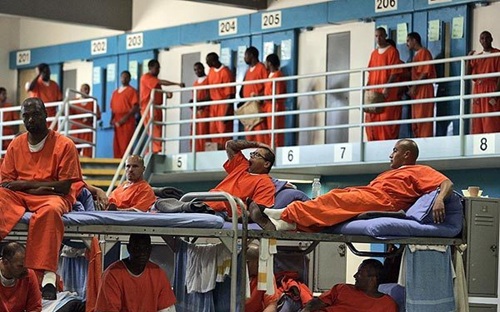
The Alarming Pattern of Medical Negligence in Prisons
In several states, it has been reported that privately contracted jail healthcare providers in most cases do not uphold adequate medical standards. Cost-cutting strategies have led to different jails being dependent on low-level medical personnel to make complicated healthcare decisions. In some instances, this practice had disastrous consequences such as infections, sepsis and amputations that should have been avoided through timely medical attention.
Among the most vivid cases is that of inmate Javier Tapia of Washington State who lost his leg due to untreated blood clots that took weeks to develop. Although the inmate had shown indicators of distress on multiple occasions, the employees of the Pierce County Jail did not suspect anything wrong until the loss of the color of his toes. At this point, the doctors were forced to amputate his leg. This event later resulted in a court settlement amounting to $1 million by Pierce County, and a subsequent award of $25 million against NaphCare Inc., the contract healthcare provider to the jail.
How Settlements Reflect Accountability and Justice
The case of settlement prisoner amputation usually implies the claims of the controversial fact of deliberate indifference, which is the term of law and refers to the inappropriateness of the attitude of the officials to the severe medical condition of a prisoner. Courts tend to favor the inmate when the evidence demonstrates that the jail staff either had complete knowledge that there were warning signs that were neglected or failed to address the needs of the inmates.
An example of this was a settlement of $12.2 million paid to a man called Terrance Winborn in Minnesota where the jail officials disregarded his deteriorating condition. Something that had started as a bacterial infection was then penetrated to septic shock, heart failure, and radio-amputation of both arms. His case was one of the biggest cases of its kind in state history as it led to greater readiness of the courts to point their finger at correctional institutions on the basis of healthcare negligence.
These findings show that the justice system recognizes the severity of such neglect. Megachurches do not only compensate victims but also influence the counties and individual health caregivers to become better in their practice within the jail.
Private Healthcare Providers Under Scrutiny
Many U.S. jails and prisons are beginning to award medical services to companies such as NaphCare and Wellpath. Although such firms claim to offer efficiency, their quality of care has been proven to suffer frequent failures in investigations. Even less-qualified nurses have been found to have been tasked with work that was supposed to be completed by professionals with greater training and experience even though this was far out of their legal scope of practice.
These types of cost-cutting strategies can lead to a decrease in expenses in the short run, but there are long-term effects on the health of inmates and on taxpayers who eventually pay millions in settlements. The case, which is the amputation of each settlement prisoner, is a harsh example of the fact that the situation with the lack of attention to medical issues in the prisons is not only a legal problem, but also the moral and epidemic problem of public health.
The Human Cost Behind Each Case
These cases are not only the court decisions and the legal settlements but human suffering at indefinable proportions. The prisoners who are amputated have lifetime problems, both physical and emotional. It has been said that many of them cannot readjust to society upon release, they struggle with the trauma, they have limited mobility, and they have no confidence in healthcare systems.
Families are not an exception of living through the suffering of loved ones who could be spared needless damage. These tragedies disclose the extent to which this neglect in the prison system goes much further than the walls of the prison; it is a tragedy that has been written through communities, families and confidence in the justice systems.
Steps Toward Reform
To avoid additional cases of amputation of settlement prisoners, specialists recommend significant change of the healthcare systems in jails. These include:
- Hiring only qualified medical professionals in all the facilities instead of the underqualified employees.
- Introducing periodic medical audits in order to guarantee correct treatment procedures.
- Introducing the enforcement of a response to all symptoms reported by medical specialists.
- Improving education to make correctional officers aware of medical emergencies.
- Making the healthcare contractors who run the privatized activities more transparent and accountable.
With these reforms, correction facilities will be able to provide good and humane treatment to inmates who are still under the care of the government.
Conclusion
The increasing incidence of settlement prisoner amputation cases in the U.S. reveals the profound shortcomings with the correctional healthcare system. Though recent settlements and multi-million dollar judgments are a significant step towards fairness, preventive measures are also clearly needed. All inmates, no matter the offence committed, should be allowed the constitutional right to quality medical treatment.
Without significant change, more lives will be ruined due to avoidable suffering and more taxpayers will be paying the cost of avoidable failures. The way ahead requires accountability and compassion because it would mean that no prisoner would be forced to lose limbs in a bid to demonstrate that his or her life is valuable.