The Costco Flushable Wipes Settlement has attracted strong attention from US consumers that effected a purchase of Kirkland Signature Moist Flushable Wipes. This settlement is important because it underscores an important issue, that just because a product is advertised as “flushable”, does not necessarily mean it works that way. If you have used these wipes in the past, this guide shows you why it is important.
What Is the Costco Flushable Wipes Settlement?
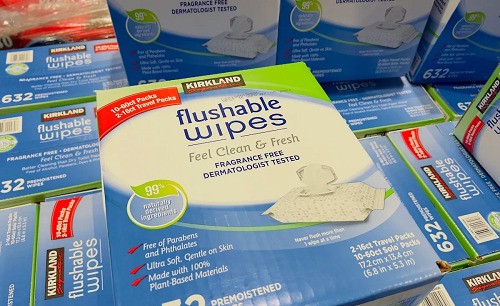
The Costco Flushable Wipes Settlement is the result of a class action lawsuit filed against Costco Wholesale Corporation. Consumers said that Kirkland Signature Moist Flushable Wipes didn’t break down in water, as advertised. Instead, many users reported clogged pipes, septic issues, plumbing damage and damage after flushing the wipes.
Costco denies any wrongdoing. However, the company agreed to pay $2 million to settle the lawsuit and avoid further litigation. This agreement enables eligible consumers to receive cash payments without having to go to court.
Why Did Consumers File the Lawsuit?
Plaintiffs claimed that Costco promoted the wipes as “flushable” and therefore caused buyers to think the wipes would break down like toilet paper. According to the lawsuit, the wipes remained intact in plumbing systems and caused an accumulation in pipes, sewer lines and septic systems.
Many consumers have claimed that they would not have purchased the wipes if they had known the truth. The lawsuit was not about personal injury but rather about false advertising. This distinction meant that the case could progress forward as a case of consumer protection.
Who Qualifies for the Settlement?
You may be eligible for the Costco Flushable Wipes Settlement if you fulfill all of the following conditions:
- You bought Kang Moist Flushable Wipes by Kirkland Signature
- The product was purchased in New York State
- Your purchase date was between July 01, 2011 and May 31, 2017
There is no proof of purchase required to qualify. This detail is useful to many consumers who do not have receipts any more from years back.
How Much Money Can Eligible Consumers Receive?
The settlement introduces very clear payment boundaries:
- $1.30 per product purchased
- Minimum payout: $7.50
- Maximum payout: $55.90 (up to 43 products)
Each household can make only one claim. Payments are conditional on the total number of valid claims, but the settlement ensures minimum and maximum amounts as within the said range.
How Do Consumers Receive Payment?
Eligible consumers were required to send a valid claim form by the deadline. Some Costco members were provided automatic benefits, and others had to submit a claim manually with a unique claim number or personal information.
After receiving final approval from the court, the settlement administrator makes payments. Consumers are usually paid by check or electronic transfer.
Why “Flushable” Wipes Cause Problems
Independent tests and wastewater reports indicate the fact that many flushable wipes do not dissolve in water. Unlike toilet paper, these wipes tend not to break down for long periods of time. They catch on the roots of trees, pipe joints and grease accumulations within sewer systems.
Plumbing professionals nationwide claim to spend hours making wipes from pipes. Cities also spend millions of dollars annually repairing sewer damage from wipes. These are real-life examples of why lawsuits such as the Costco Flushable Wipes Settlement are continually coming up.
What This Settlement Means for U.S. Consumers
The Costco Flushable Wipes Settlement sends a strong message to manufacturers and retailers. Companies have no choice but to market their products honestly and clearly. Consumers need product labels in order to make safe choices about their homes and plumbing systems.
This case also serves as a reminder for buyers to be suspicious about marketing terms such as “flushable,” “biodegradable” and “septic-safe.” Reading fine print and following local guidance from plumbing authorities can save you costly repairs.
Final Thoughts
The Costco Flushable Wipes Settlement is not just about a cash payout. It reflects a heightened awareness regarding misleading claims made on products and the rights of consumers in the US. This was the situation with the wipes, in that if you had bought them during the covered period there was an opportunity to claim money back without proving purchase.
More important, the case spurs improved food labeling practices and wiser food purchasing decisions. As consumers become educated, companies come under increasing pressure to provide products that work as advertised.