Black farmers settlement is one of the biggest remarkable historical struggles of America to achieve racial and economic justice. For decades, the U.S. Department of Agriculture (USDA) was biased towards black farmers in the United States. They were deprived of loans, subsidies and disaster assistance in a non-routine manner that was being offered to their white counterparts. Such injustices deprive a great number of families of their farms, land and livelihoods. Yet, years of struggle, community organization, and lawsuit allowed Black farmers to receive the long-running due credit and compensation finally.
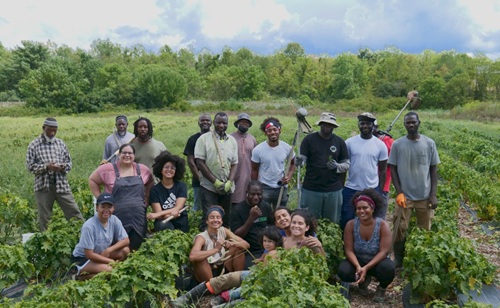
A Long History of Discrimination
The USDA has not treated Black farmers fairly in the majority of the 20th century. Others were denied access to credit or even disaster relief even in instances where they had all the requirements. This discrimination trend slowly sent thousands away out of farming, and the number of Black-owned farms drastically dropped. By the 1980s, Blacks had less than one percent of the land in America under a type of agriculture which was once a comprehensive millions of acres of Black farmland in the early 1900s.
The black farmers settlement has its origins in this era of unequal treatment. A band of farmers had resolved to stand up in the year 1997. As a result, they brought a federal class action suit against USDA, which was referred to as Pigford v. Glickman. The farmers claimed that the department had been officially rejecting loans and other financial aid on grounds of race. The case turned out to be a landmark in the struggle of justice in American agriculture.
The First Pigford Settlement
The federal government agreed to pay off the lawsuit in 1999 and this was a win to thousands of Black farmers. The first Pigford settlement paid out close to $1 billion in overall damages. Not all of the eligible farmers however did not get their share. A lot of them were rejected due to the missed deadline of filing or they just did not know about it at all. Approximately 73,000 claimants were not relieved and it gave rise to frustration and demands of justice.
Renewed Efforts and the 2010 Settlement
Such activists and individuals like John Boyd Jr., the President of the National Black Farmers Association continued to urge Congress to act. Their work has seen them succeed since 2010 when President Barack Obama signed the Claims Remedy Act as an extra funding of 1.25 billion. This second stage of the black farmers settlement commonly referred to as Pigford II gave thousands of late filers an opportunity to bring out their case.
The fact that Judge Paul Friedman approved of the settlement was a long time recognition of wrongdoing. To most farmers, it was not just the money but a reaffirmation of their years of struggle to be heard, and to be treated with respect.
Continuing Progress Under the Biden-Harris Administration
The Pigford cases could have been considered as a significant step, but the path to justice was not terminated. The Biden-Harris Administration has made new moves in assisting the farmers which were victims of the USDA discrimination. In 2022, the government provided funds to the farm agency in the form of the Inflation Reduction Act intended to help the farmers who were also being discriminated against by federal lending programs. Amongst them, Black farmers will get approximately $1.5 billion.
This second round of funding has provided most of the farmers a chance to reconstruct. Others are repurchasing lost land, investing in sustainable activities and new directions such as organic farming and agricultural tourism. According to Senator Cory Booker, the money is the lifeline of those people who previously did not receive essential programs.
Why the Black Farmers Settlement Matters
The black farmers settlement is not only about the payment but it is an attempt by America to right the wrongs of the past and re-establish fairness in farming. It demonstrates how national policies can be changed through persistence, unity, and advocacy. These settlements are also a reflection of the need to be transparent in the federal agencies, which would ensure that discrimination will never reoccur ever again.
To the Black farming communities, the settlements have brought back hope. The wisdom of the previous generations has motivated many young farmers to go back to land. Equity, education, and financial literacy programs are contributing to the thriving of future farmers, so they do not need to face the restrictions that their forebears had to overcome.
Looking Ahead: Building a Fairer Future
Although there is improvement, there is still work to be done. The activists still campaign to write off the entire debts of legacy Black farmers and increase supervision in the USDA. The key to the continuation of this momentum will be the equal access to credit, training, and grants.
The Black farmers settlement is not just a case of financial justice, but a restoration of culture and morality. It recognizes the strong role played by Black farmers who have been able to feed the country despite centuries of marginalization. Through historical lessons and implementation of equity in the present, the U.S. has a chance of a closer step to the ideal of equality in the agricultural system.
Due to the ongoing reconstruction of the American farming legacy, Black farmers will always keep their voices and experiences central in making the new future more inclusive and equitable.