A knee replacement should restore mobility and reduce pain. When it goes wrong—because of a defective implant, surgical error, or poor follow-up care—the consequences can be devastating. Victims often face additional surgeries, long rehabilitation, infection, loss of mobility, and financial strain.
However, this settlements tend to fall into recognizable ranges depending on how badly the victim was harmed, whether the implant was defective, and how clear the evidence is. Because knee replacement cases can be medical malpractice, product liability, or both, they often involve complex legal and medical analysis.
This article explains the average settlement for faulty knee replacement cases, how these settlements are calculated, and what factors most affect the final outcome.
Typical Settlement Ranges for Faulty Knee Replacement
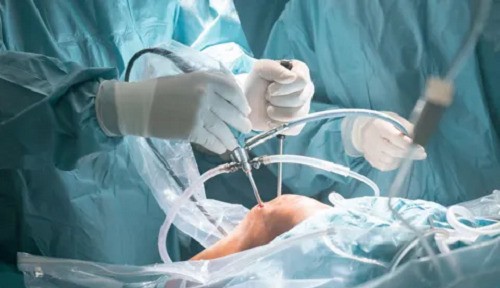
In the United States, most settlements involving faulty knee replacements fall between $200,000 and $1.5 million, though some go lower and others reach several million.
Common settlement ranges include:
- Minor complications with limited long-term impact: $50,000 – $200,000
- Moderate complications requiring revision surgery: $200,000 – $500,000
- Major complications causing permanent impairment: $500,000 – $1M
- Catastrophic failure with lifelong disability: $1M – $5M+
These figures reflect settlements, not jury verdicts. Verdicts can exceed these ranges but also involve greater risk, time, and complexity.
What Counts as a Faulty Knee Replacement Case?
Faulty knee replacement claims fall into two broad legal categories:
- Medical malpractice: When the surgery itself was performed negligently—wrong technique, wrong implant placement, nerve or tissue damage, improper sterilization, or poor post-operative care.
- Product liability: When the knee implant or prosthetic device is defective due to design flaws, manufacturing errors, or failure to warn patients and doctors about risks.
Some cases involve both. For example, a defective implant that was improperly selected or placed by the surgeon.
Why These Settlements Are Often Higher Than Ordinary Injury Claims
Knee replacement failures are more complicated than a simple slip-and-fall case because they involve extensive medical records, expert testimony, and long-term consequences. A failed knee replacement can mean:
- Additional revision surgeries
- Infection and hospital stays
- Physical therapy
- Loss of mobility
- Chronic pain
- Permanent disability
The combination of medical costs, pain, and future care needs increases settlement value.
Injury Severity and Long-Term Impact
The severity of harm plays the biggest role in determining settlement value.
- Minor complications — swelling or irritation that resolves — tend to settle for lower amounts because long-term impact is limited.
- Moderate complications — requiring revision surgery, extended therapy, or partial impairment — bump settlements into mid-range figures.
- Major or permanent complications — such as chronic pain, nerve damage, or inability to return to work — usually lead to six-figure or higher settlements.
- Catastrophic outcomes — multiple failed implants, permanent disability, or severe infection — often reach seven figures.
Because knee replacement is meant to improve quality of life, when it instead causes long-term harm, settlement values reflect the setback.
Medical Expenses and Future Care Costs
Settlements include both past and future medical expenses. These may consist of:
- Revision surgeries
- Hospital stays
- Rehabilitation and physical therapy
- Pain management
- Assistive devices (crutches, braces)
- Home care assistance
Future medical costs often represent a large portion of settlement value. Expert medical testimony is usually needed to prove what treatment will be required years into the future.
Lost Income and Earning Capacity
Economic damages include lost income during recovery and, in serious cases, reduced earning capacity.
Factors considered include:
- Time off work for surgery and therapy
- Whether the injured person can return to the same job
- Loss of promotions or earnings due to disability
- Ability to work in the future
Younger adults and those in physical jobs typically get higher settlements because lost earning capacity increases long-term financial harm.
Pain, Suffering, and Emotional Distress
Faulty knee replacement settlements often include compensation for pain and suffering, emotional distress, loss of enjoyment of life, and mental anguish. These non-economic damages are harder to quantify but carry real weight, especially when supported by medical or therapy records.
Product Liability vs. Medical Malpractice
Some knee replacement settlements involve defective medical devices. Those claims often include:
- Design defects
- Manufacturing defects
- Failure to warn about known risks
- Defective polyethylene, metal components, or fixation systems
Product liability claims can involve multiple defendants, including manufacturers, distributors, and medical device makers. These cases often settle higher because liability is broader and device recalls may support stronger claims.
Medical malpractice claims require proof that the doctor’s conduct fell below accepted standards of care. Both types of cases benefit from expert opinions, but product liability cases often have stronger warning claims and more documentation of defects.
Insurance Coverage and Settlement Limits
Insurance policies — whether medical malpractice, product liability, or device recall coverage — often influence the maximum settlement. Some defendants have higher insurance limits, allowing for larger payouts. Cases involving multiple liable parties sometimes stack insurance coverage, increasing settlement potential.
Why Some Faulty Knee Replacement Settlements Are Lower
Not every case results in a high settlement. Lower settlements often occur when:
- Complications are minor and resolve over time
- Evidence of defect or negligence is weak
- Records are incomplete or inconsistent
- The plaintiff delayed treatment
- Defendants successfully argue shared fault or no negligence
Even in lower-value cases, settlements typically cover medical costs and some additional compensation for pain and disruption.
Settlement vs. Trial Reality
Most faulty knee replacement cases settle before trial. Trials are expensive, complex, and time-consuming. Settlements offer:
- Faster resolution
- Certainty of payment
- Less emotional stress
- Confidentiality
Trials can produce higher verdicts, especially in catastrophic cases, but they also carry risk and delay.
Timing and Evidence Matter
Strong documentation — medical records, surgeon notes, implant records, expert evaluations, and imaging — is critical. Delays in reporting the issue, gaps in care, or missing documentation weaken the case and reduce settlement leverage.
Early investigation and thorough evidence gathering often result in stronger negotiation positions and higher settlements.
Final Takeaway
There is no single average settlement for faulty knee replacement cases, but real-world outcomes follow clear patterns:
- Minor complication cases often settle between $50k and $200k
- Moderate complication cases commonly fall between $200k and $500k
- Major impairment or multiple surgeries often exceed $500k and may reach $1M
- Catastrophic or lifelong disability cases frequently exceed $1M and can reach several million
Settlement value depends on injury severity, future medical needs, loss of income, pain and suffering, insurance limits, and how strong the evidence is—not on vague internet claims or headlines. Careful documentation, experienced legal strategy, and early action make the biggest difference in securing fair compensation.