The Trader Joe’s Settlement has gained attention across the United States because it highlights the effect of food labeling on consumer trust. Many shoppers use certain labels, such as “all natural” when selecting products. This settlement illustrates why it is important to label things correctly and how consumers can hold large companies accountable.
This article describes the Trader Joes Settlement. It covers what happened, why the lawsuit had begun, who qualified, as well as what consumers can take away from this case.
What Led to the Trader Joe’s Settlement?
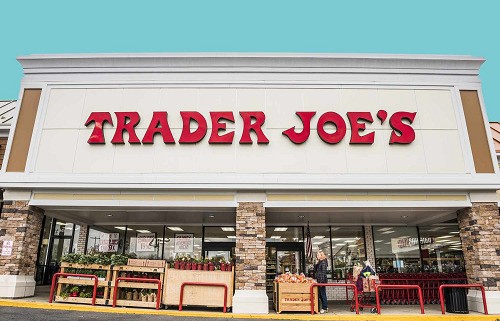
The Trader Joe’s Settlement was a result of a class action lawsuit from consumers. The lawsuit alleged that Trader Joe’s mislabeled a number of food products as “all natural” or “100% natural” that contained synthetic or processed ingredients. These ingredients contained such things as xanthan gum, ascorbic acid and cocoa that has been processed with alkali.
Consumers argued that these labels confused them. They believed that it was the reasonable expectation of a shopper that “all natural” products did not contain artificial or synthetic substances. As a result of these claims, this case continued in federal court.
What Did the Settlement Require Trader Joe’s to Do?
Under the Trader Joe’s Settlement, the company agreed not to use the phrases “all natural” and “100% natural” on certain products listed in the lawsuit. This change was intended to eliminate confusion in the future and ensure that shoppers would not be misled by the labels on the products.
Trader Joes did not admit to doing anything wrong. Like many companies, it opted to settle the case rather than end long and costly litigation. Courts often approve of settlements where they deliver equitable results for consumers and are less of a legal burden on all parties.
How Much Was the Trader Joe’s Settlement Worth?
The Trader Joe’s Settlement established a settlement fund with a value of roughly $3.4 million. This fund was used for administration, legal expenses and payments to eligible consumers. The court examined the agreement and concluded it was fair, reasonable, and adequate, under the class action laws in the United States.
This amount was based on the number of affected consumers, and the price of products involved. While individual payments remained relatively small, the settlement sent a strong message about truthful advertising.
Who Qualified for the Settlement?
Consumers qualify for the Trader Joe’s Settlement if they purchase certain Trader Joe’s products with the “all natural” or “100% natural” label during the covered time period. The eligible products included such popular items as cookies, biscuits, cinnamon rolls, apple juice and ricotta cheese.
Buyers did not always need to have receipts. People who had no proof of purchase could still claim their compensation for a limited number of products. Those with receipts as consumers could ask for money back on extra purchases.
How Much Money Could Consumers Receive?
Under the Trader Joe’s Settlement, eligible consumers could receive compensation on the basis of the average retail prices of the products that they purchased. Most items were priced between about $2.70 and $3.99 each. Without receipts, consumers could claim a maximum of ten products with a cap on the payout.
While these amounts may seem small, the class action suits are based on fairness and widespread effects on consumers rather than individual payouts.
Why the Trader Joe’s Settlement Matters
The Trader Joe’s Settlement is important because it re-enforces truth in advertising. Food labels make a difference in the buying decisions of millions of Americans every day. When companies get away with the jargon like “natural,” shoppers expect truthfulness and transparency.
This case also demonstrates the protection of consumers by class action lawsuits. One shopper alone may not fight against a big retailer. Together, consumers can demand accountability and effect meaningful changes in corporate behavior.
What Consumers Can Learn from This Case
The Trader Joe’s Settlement offers a lesson for the behavior of the average consumer to read ingredient lists carefully. Marketing language may be attractive but it is ingredients that make the real story. Consumers also should be aware of class action settlements, since they may be eligible for compensation and not even realize it.
For companies, the settlement shows the importance of providing clear and correct labeling. Honest communication builds trust and avoids expensive legal disputes.
Final Thoughts on the Trader Joe’s Settlement
The Trader Joe’s Settlement is a good example of consumer protection in the United States. It illustrates the interactions among the courts, consumers and companies in ensuring that marketing practices are fair. While the case concerned specific products the impact went far beyond Trader Joe’s shelves.
By understanding this settlement, consumers can make smarter choices and be mindful of their rights in the marketplace.