Getting rear-ended is one of the most common types of car accidents, but it’s also one of the most confusing when it comes to settlement value. People imagine big checks or advertisers’ “average” numbers, but that rarely matches reality.
The short answer is there isn’t a single number that applies to every case. But rear-end crashes do follow real patterns. Because liability is often clear (the driver in back usually causes the crash), insurers focus less on fault and more on the injuries and costs involved. In U.S. rear-end collision settlements fall into predictable ranges based on injury severity, medical treatment, lost income, and insurance limits.
This article explains the average settlement for a rear end collision, how those values are calculated, and what factors most affect the final outcome.
Typical Settlement Ranges in Rear End Collision Cases
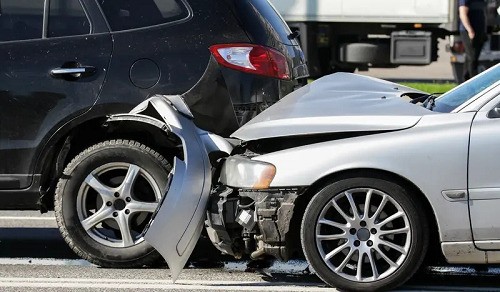
In the United States, most settlements for rear-end collisions fall between $15,000 and $75,000, though many cases resolve for less and more serious injuries can drive much higher amounts.
Common settlement ranges include:
- Minor soft-tissue injuries (e.g., whiplash): $3,000 – $15,000
- Moderate injuries requiring ongoing care: $15,000 – $50,000
- Significant injuries with surgery or long-term therapy: $50,000 – $150,000
- Catastrophic injuries or permanent impairment: $150,000 – $500,000+
These figures reflect settlements, not courtroom verdicts. Verdicts can exceed these ranges but involve risk, delay, and uncertainty.
Why Rear End Collisions Often Settle Predictably
Rear end crashes typically present a clear picture of liability. Police reports, witness accounts, and traffic laws make it easy to establish fault in many cases. Because of this:
- Insurance companies often pay faster
- There’s less dispute over who caused the crash
- Settlement negotiations focus on injuries, not blame
This clarity often results in quicker settlements and ranges that reflect medical records more than legal wrangling.
Injury Severity Drives Settlement Value
The single biggest factor in a rear-end collision settlement is how badly someone was hurt.
Minor Injuries
Soft-tissue injuries like mild whiplash or strains usually lead to lower settlements because treatment is short and long-term harm is limited.
Moderate Injuries
Herniated discs, fractures, or injuries requiring physical therapy increase settlement value because they involve more medical expense and recovery time.
Serious or Catastrophic Injuries
Spinal injuries, traumatic brain injuries, or permanent impairment push values into much higher ranges. These cases often involve multiple doctors, specialists, and a longer period of care.
Medical Treatment and Documentation Matter
Insurance companies pay for documented treatment, not just pain stories.
To increase settlement value after a rear end collision:
- Seek medical care promptly
- Follow treatment recommendations
- Keep records of all appointments
- Get imaging (MRI, X-rays) when recommended
Gaps in care or delayed treatment often reduce settlement offers.
Lost Income and Daily Life Impact
Settlements also account for financial harm. This includes:
- Wages lost while recovering
- Reduced ability to work at the same capacity
- Missed bonuses or promotions
- Impact on daily activities
When injuries affect your ability to work or enjoy life, settlement values increase.
Pain and Suffering
Beyond medical bills and lost income, rear-end collision settlements often include compensation for pain and suffering. This covers:
- Physical pain and discomfort
- Emotional distress
- Reduced quality of life
- Anxiety about driving again
Non-economic damages are harder to quantify but important in overall value.
Insurance Policy Limits Often Set the Ceiling
Settlement values are often capped by insurance policy limits. If the at-fault driver carries only $25,000 in bodily injury coverage, recovery may top out at that level even if injuries are worth more.
In serious cases, your own uninsured/underinsured motorist coverage may help bridge the gap if the at-fault policy is low.
Why Some Settlements Are Lower
Not all rear end cases result in large payouts. Lower settlements often happen when:
- Injuries are minor and resolve quickly
- Treatment is limited or inconsistent
- Medical documentation is weak
- Liability is disputed (rare but possible)
- Insurance policy limits are low
In many of these cases, settlements still cover medical bills and some additional compensation for pain or inconvenience.
Settlement vs. Trial in Rear End Collision Claims
Most rear end collision settlements occur before trial. Trials can produce higher awards but they also involve:
- Long delays
- High legal costs
- Uncertain outcomes
Insurance companies usually prefer settlement because it provides certainty. Most victims also prefer settlement to avoid the stress of a trial.
Timing and Evidence Matter
Strong early documentation makes a real difference. Keeping records of:
- Police reports
- Medical bills
- Treatment notes
- Lost wage documentation
- Photos of injuries and damage
…helps build a stronger case and increases settlement leverage.
Final Takeaway
There is no single average settlement for a rear end collision, but real-world outcomes follow clear patterns:
- Minor injury cases often settle under $15k
- Moderate injury cases commonly fall between $15k and $50k
- More serious injuries often exceed $75k
- Catastrophic or long-term cases can reach $150k–$500k+
The true value of a rear-end collision settlement depends on injury severity, medical evidence, lost income, insurance limits, and how much the injury affects daily life—not vague online averages. Prompt medical care and solid documentation make the biggest difference in reaching fair compensation.