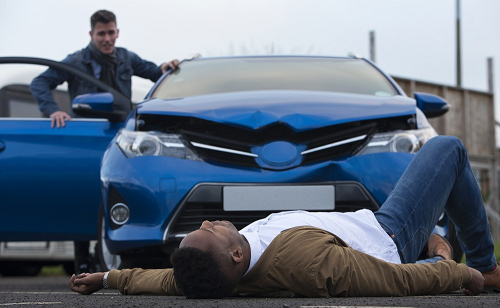
Being hit by a car as a pedestrian is often sudden, traumatic, and life-altering. Pedestrians have no protective shell, so even a low-speed impact can result in serious injuries. Medical bills, lost wages, long-term disability, and emotional trauma all pile up quickly.
Each accident is different — different injuries, different medical needs, different insurance policies and different liability scenarios. But in real practice, settlements for pedestrians struck by vehicles usually fall within predictable ranges based on injury severity, medical costs, lost income, and the strength of evidence.
This article breaks down the average settlement for a pedestrian hit by a car, how those figures are calculated, and what factors most influence the outcome.
Typical Settlement Ranges for Pedestrian Accidents
Across the United States, most settlements for pedestrians hit by cars range between $50,000 and $500,000, though serious and catastrophic cases often go well beyond that.
Here are common settlement ranges:
- Minor injuries with limited treatment: $10,000 – $50,000
- Moderate injuries requiring ongoing care: $50,000 – $150,000
- Serious injuries with surgery or long recovery: $150,000 – $450,000
- Catastrophic injuries (brain/spinal injury, amputation): $500,000 – $2 million+
- Fatal pedestrian accidents (wrongful death): $1 million – $5 million+
These figures reflect settlements, not jury verdicts. Jury awards can be higher, but they involve greater risk, time, and expense.
Why Pedestrian Settlements Are Often Higher Than Auto-Only Cases
Pedestrians lack the physical protection that drivers and passengers have. No airbags, no seatbelts, no steel frame—just a human body against a heavy vehicle. Because of this:
- Injuries are often severe
- Long-term care may be required
- Lost earnings are more likely
- Pain and suffering damages are substantial
Insurance companies recognize the high stakes and often adjust settlement offers accordingly.
How Injury Severity Affects Settlement Value
Injury severity is the single biggest factor in a pedestrian settlement.
Minor Injuries
Sprains, minor fractures, or soft-tissue damage that resolve quickly usually result in lower settlements because medical costs and long-term harm are limited.
Moderate Injuries
Serious fractures, concussions, herniated discs, or injuries requiring physical therapy or surgery increase settlement value. These cases often involve ongoing care and a slower return to normal life.
Severe and Catastrophic Injuries
Traumatic brain injuries, spinal cord damage, amputations, and internal organ injuries often lead to six- or seven-figure settlements because the impact lasts a lifetime.
Fatal Cases
When a pedestrian accident results in death, settlements often consider loss of financial support, funerary expenses, emotional harm to family members, and future income loss, which usually pushes recovery into the million-dollar range.
Medical Bills and Future Care
Settlements include both past and future medical expenses. These may include:
- Emergency treatment and hospital stays
- Surgeries and specialist care
- Physical and occupational therapy
- Pain management
- Assistive devices or long-term care
Future care costs—especially when injuries are permanent—often make up the largest portion of the settlement.
Lost Income and Earning Capacity
Compensation also accounts for financial harm:
- Wages lost during recovery
- Reduced earning ability due to lasting limitations
- Missed promotions or career opportunities
- Early retirement due to disability
Younger victims or those with higher earning potential often receive higher settlements because the financial impact extends far into the future.
Pain, Suffering, and Emotional Distress
Settlements almost always include non-economic damages—compensation for pain, suffering, emotional trauma, and loss of life enjoyment.
This includes:
- Physical pain and discomfort
- Anxiety or depression after the crash
- Fear of crossing streets or riding in vehicles again
- Impact on family and daily life
These damages are subjective but significant, especially in serious cases.
Liability and Insurance Coverage Matter
Settlement value is often shaped by available insurance and who is at fault:
- The at-fault driver’s liability coverage
- Any underinsured or uninsured motorist coverage
- Additional defendants (employers, municipalities in some cases)
If the at-fault driver has low insurance limits, recovery may be capped unless other policies apply.
Why Some Pedestrian Settlements Are Lower
Not all cases lead to large payouts. Lower settlements usually occur when:
- Injuries are minor and heal fully
- Medical documentation is limited
- Liability is unclear or disputed
- Insurance limits are low
Even when injuries are real, weak evidence or coverage gaps reduce settlement offers.
Settlement vs. Trial Reality
Most pedestrian hit-by-car cases settle before trial. Trials are time-consuming and unpredictable.
Settlements offer:
- Faster compensation
- Guaranteed outcome
- Less emotional stress
- Lower legal cost
Trials can produce higher verdicts, especially with juries sympathetic to injured pedestrians, but they also carry risk and delay.
Evidence That Strengthens Settlement Value
Strong documentation increases settlement numbers:
- Police reports and accident reconstruction
- Medical records and imaging (MRIs, CT scans, X-rays)
- Witness statements
- Photographs of scene and injuries
- Expert testimony on long-term impact
Prompt medical care and detailed records make a significant difference.
Final Takeaway
There is no single average settlement for a pedestrian hit by a car, but real-world outcomes in the U.S. follow clear patterns:
- Minor injury cases often settle under $50k
- Moderate injury cases commonly fall between $50k and $150k
- Serious injury cases often exceed $150k
- Catastrophic injury cases frequently reach $500k and much higher
- Fatal pedestrian settlements can reach $1M to $5M+