Yes — dumpster diving is generally legal in New York only when it does not involve trespassing, theft, breaking locks, making a mess, violating local sanitation rules, or entering restricted property.
There is no simple statewide law that says “dumpster diving is always illegal.” But the situation changes quickly depending on where the dumpster is located and how the trash is set out.
Here’s everything you need to know.
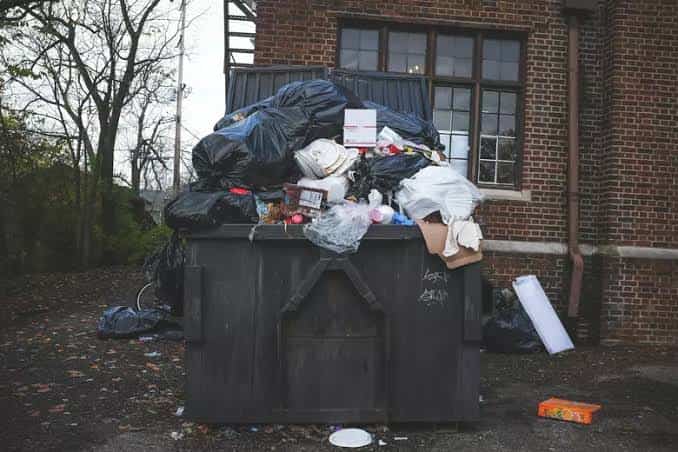
The Basic Rule in New York
Dumpster diving may be legal if the trash has been clearly discarded and is placed in a publicly accessible area, such as the curb. The U.S. Supreme Court has held that garbage left for collection outside the home’s protected area generally does not have the same Fourth Amendment privacy protection.
But that does not mean every dumpster is free to search. If the dumpster is on private property, behind a fence, inside a building, behind a gate, marked with “No Trespassing,” or locked, then entering or opening it can create legal problems.
Trespassing Is the Biggest Risk
New York law says a person commits trespass when they knowingly enter or remain unlawfully on premises. Trespass is a violation under New York Penal Law § 140.05.
The risk becomes more serious if the property is fenced, enclosed, or designed to keep people out. Criminal trespass in the third degree can apply when someone unlawfully enters or remains on fenced or enclosed property, and it is a class B misdemeanor.
So the safest rule is simple: do not enter private property to reach a dumpster.
Is Dumpster Diving Legal in New York City?
In New York City, dumpster diving can be legally risky because sanitation rules are stricter. NYC law prohibits interfering with Department of Sanitation workers during the collection or removal of solid waste or recyclable material.
NYC Administrative Code § 16-118 also has rules against unauthorized disturbance, removal, or transport of recyclable materials and solid waste placed out for collection, especially where motor vehicles are used. The law includes civil penalties and, in some vehicle-related cases, possible impoundment.
So in NYC, casually picking up one discarded item from a curb is different from digging through bags, scattering trash, taking recyclables in bulk, or using a vehicle to collect materials.
Can You Take Items From the Curb?
Sometimes, yes. If an item is clearly abandoned at the curb, such as old furniture, a broken appliance, or a box of unwanted household items, taking it may not usually be treated the same as stealing.
But you should avoid taking anything that appears to be private property, a delivery package, donation-bin material, construction equipment, business inventory, or items placed outside temporarily.
If something looks intentionally set out for pickup, it is safer. If it looks stored, guarded, locked, or not clearly abandoned, leave it.
Locked Dumpsters and Fenced Areas
Do not open locked dumpsters. Do not climb fences. Do not enter gated areas. Do not go behind stores after hours if the area is marked private or restricted.
Even if the items inside are being thrown away, entering restricted property can still be trespassing. A lock, fence, wall, gate, or “No Trespassing” sign is a clear warning.
Can Stores Stop Dumpster Diving?
Yes. Stores and property owners can ban people from entering their property or searching their dumpsters. If an employee, owner, security guard, or police officer tells you to leave, you should leave immediately.
Refusing to leave after being told can create a trespass issue.
What About Making a Mess?
Making a mess can create sanitation or littering problems. NYC law prohibits littering, throwing, sweeping, or casting garbage or rubbish in streets, public places, vacant lots, parks, backyards, courts, or alleys.
If someone opens bags, scatters garbage, leaves food waste, breaks containers, or blocks sidewalks, they may face fines or complaints even if they did not take anything valuable.
Are Local Rules Different?
Yes. Local rules can be stricter than general state law. Some New York cities or towns may ban scavenging from curbside garbage or bulk refuse once it has been placed out for municipal collection. For example, Binghamton’s local code says no person may interfere with, remove, or scavenge materials from containers or bulk refuse placed at the curb for Department of Public Works collection unless authorized.
So outside NYC, the answer still depends on the city, town, village, or county rule.
Final Answer
Dumpster diving is not automatically illegal in New York, but it is only safe when the trash is clearly abandoned and accessible without trespassing. It can become illegal if you enter private property, ignore signs, open locked dumpsters, climb fences, take items that are not clearly abandoned, scatter trash, block sidewalks, or violate local sanitation rules.
Frequently Asked Questions
Q1. Is dumpster diving legal in New York?
Yes, it can be legal if the trash is clearly discarded and publicly accessible. But trespassing, local rules, locks, fences, and sanitation laws can make it illegal.
Q2. Is dumpster diving legal in New York City?
It is risky. NYC has sanitation rules about disturbing, removing, and transporting waste or recyclables placed for collection. Avoid digging through bags or collecting materials in bulk.
Q3. Can I dumpster dive behind a store?
Usually no, unless you have permission. Dumpsters behind stores are often on private property.
Q4. Can I open a locked dumpster?
No. Opening or breaking into a locked dumpster can create legal trouble.
Q5. Can I climb a fence to reach a dumpster?
No. That can be trespassing.
Q6. Can I take furniture left on the curb?
Usually, if it is clearly abandoned for disposal. But avoid anything that looks temporarily stored or not meant for trash pickup.
Q7. Can I take recyclables from the curb in NYC?
Be careful. NYC has rules against unauthorized removal or transport of recyclables placed for collection, especially involving vehicles.
Q8. Can police stop me for dumpster diving?
Yes, especially if there is a trespass complaint, sanitation complaint, suspicious activity report, or local ordinance issue.
Q9. What is the safest rule?
Only take clearly discarded items from public-access areas, do not enter private property, do not open locked containers, do not make a mess, and leave immediately if asked.