Yes — abortion is legal in New York, and the state has some of the strongest reproductive protections in the country. New York first legalized abortion in 1970, three years before Roe v. Wade, and has continued to expand and reinforce those protections since. Even after the Supreme Court overturned Roe in 2022, New York’s laws remain firmly in place. In November 2024, voters went further, approving a constitutional amendment that enshrines reproductive healthcare rights directly into the New York State Constitution.
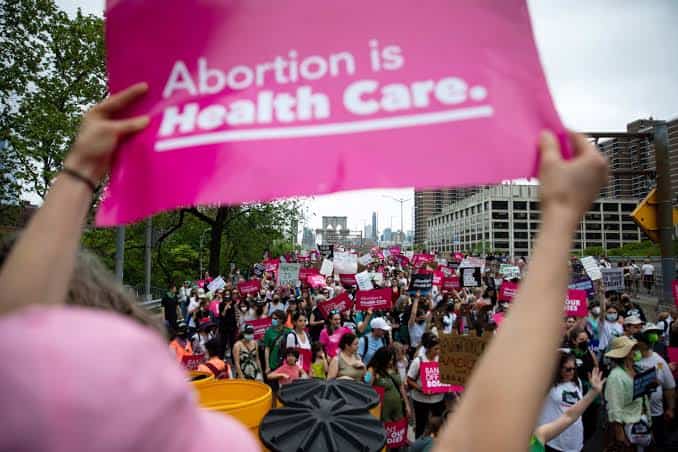
The Basic Rule: Up to 24 Weeks, No Restrictions
In New York, any person can get an abortion up to 24 weeks of pregnancy without needing to provide a reason or meet any special criteria. No waiting periods, no mandatory counseling, no additional hurdles.
Pregnancy is counted from the first day of your last menstrual period, not from conception.
After 24 Weeks
Abortion is still legal after 24 weeks in two situations:
- The fetus is not viable — meaning it cannot survive outside the womb
- The abortion is necessary to protect the patient’s life or health — this includes both physical and mental health
The decision is made by a licensed healthcare provider based on the specifics of the patient’s situation. New York law does not require a second opinion or approval from a hospital committee.
Who Can Perform Abortions in New York?
Under the 2019 Reproductive Health Act, abortions do not have to be performed by a physician. Licensed and certified healthcare practitioners — including nurse practitioners, physician assistants, and licensed midwives — can provide abortion care within their lawful scope of practice. This expanded who can provide care and helped increase access across the state.
Does It Cost Anything?
New York requires Medicaid and all state-regulated private health insurance plans to cover abortion services. Any state-regulated plan that covers maternity care must also cover abortion — without co-pays or deductibles.
If you are uninsured or underinsured, New York’s Reproductive Freedom and Equity Grant Program provides funding to help cover the cost of care, including travel, lodging, meals, childcare, and translation services for those who face financial barriers.
Do Minors Need Parental Consent?
No. In New York, people of all ages have the right to abortion without parental notification or consent. Minors can consent to abortion care on their own.
Medication Abortion
Medication abortion — typically a two-drug regimen — is available in New York and can be accessed in person or through telehealth services. New York has taken steps to protect both patients and providers who use telemedicine for abortion care, including those helping patients who live outside the state.
Pharmacists in New York are also able to dispense some contraceptive medications without a prescription.
Privacy Protections
Healthcare providers in New York generally cannot share medical records or information about reproductive health services, including abortion, without your consent. New York has also enacted laws requiring companies that collect and sell health data to get your affirmative consent before doing so.
In 2025, New York further strengthened privacy by allowing providers who prescribe medication abortion to have a pharmacy practice address — rather than their personal name — printed on prescription labels.
Out-of-State Patients
New York serves as a destination for patients from states where abortion is banned or heavily restricted. There are no residency requirements to receive abortion care in New York. Out-of-state patients have the same access as New York residents.
Legal Protections for Providers and Helpers
New York law shields doctors, clinics, and anyone who assists with abortion access from out-of-state investigations and lawsuits. If someone is sued in another state for helping a patient access legal abortion care in New York, they can file a counter-lawsuit in New York and seek compensatory and punitive damages from the out-of-state litigant.
These shield laws also extend to telehealth providers helping patients outside New York access abortion services remotely.
Workplace Protections
Employers in New York cannot discriminate against you based on your reproductive health decisions. No one can threaten, pressure, or retaliate against you for having an abortion, planning to have one, or using any reproductive health service.
Constitutional Protection (as of 2025)
In November 2024, New York voters approved Proposition One, a constitutional Equal Rights Amendment that took effect January 1, 2025. It explicitly prohibits discrimination based on pregnancy, pregnancy outcomes, and reproductive healthcare and autonomy. This means abortion rights are now embedded in the New York State Constitution — a higher and more durable legal protection than ordinary statute.
Watch Out for Crisis Pregnancy Centers
Not every facility that advertises pregnancy services is a real abortion clinic. Crisis pregnancy centers (sometimes called “limited-service pregnancy centers”) often run ads targeting people who are pregnant and uncertain. These facilities typically do not provide or refer for abortions, may give misleading information about abortion safety, and are generally not subject to the same medical privacy laws as licensed healthcare providers.
Before sharing personal information or making any decisions at a facility, ask directly: “Do you provide or refer for abortion services?” If the answer is vague or evasive, you may be at one of these centers. You can find a verified abortion provider through resources like Planned Parenthood, the National Abortion Federation, or AbortionFinder.org.
Frequently Asked Questions
Q1. Is abortion legal in New York after Roe v. Wade was overturned?
Yes. New York’s abortion rights are grounded in state law and, as of 2025, the state constitution — neither of which is affected by federal court decisions.
Q2. Can I get an abortion if I’m visiting or traveling through New York?
Yes. There are no residency requirements. Any person 24 weeks or earlier can access abortion care at a New York provider.
Q3. Is there a waiting period before getting an abortion in New York?
No. New York does not impose mandatory waiting periods.
Q4. Can my employer find out I had an abortion?
Your healthcare provider generally cannot share that information without your consent. Employers are also prohibited from discriminating based on your reproductive health decisions.
Q5. What if I can’t afford an abortion?
New York’s Reproductive Freedom and Equity Grant Program can help cover costs including the procedure, travel, and lodging. The National Abortion Federation Hotline (1-800-772-9100) can also connect you with financial assistance.
Q6. Can a New York doctor be sued in another state for performing my abortion?
New York’s shield laws protect providers from out-of-state legal actions related to legal abortion care performed in New York.